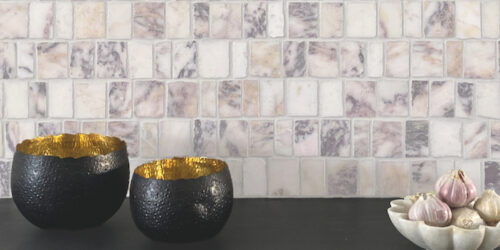
Summary:
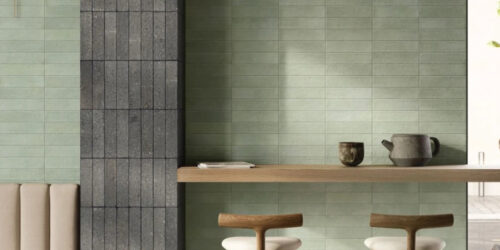
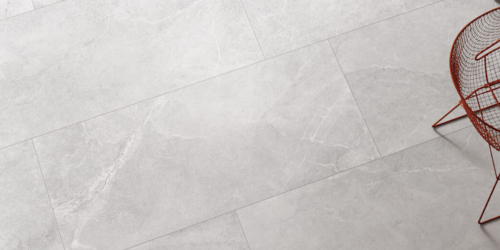
The main advantage of rectified tiles is their ability to create a clean, contemporary, and architectural look. Because the tiles are highly consistent in size and shape, they can be installed with minimal grout lines, resulting in a sleek finish that enhances the sense of space and visual continuity. Reduced grout lines can also make surfaces easier to keep clean.
However, rectified tiles require greater installation precision than non-rectified tiles. Since grout joints are narrower, any imperfections in the substrate or installation process become more noticeable. As a result, professional installation and careful subfloor preparation are essential to achieve the desired outcome.
Considerations:
- Higher installation costs compared to non-rectified tiles.
- The need for an experienced tiler.
- The importance of a level substrate to ensure proper alignment and finish.
What Are Rectified Tiles?
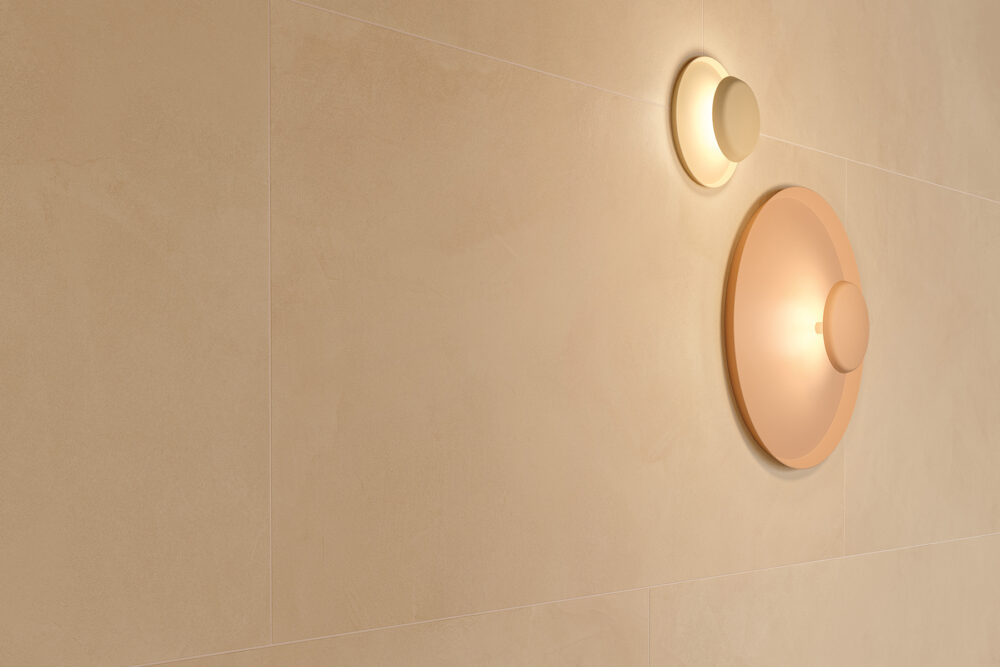
Rectified tiles are tiles that have been mechanically cut or ground after firing to achieve perfectly straight, precise edges. This additional process ensures each tile is consistent in size and shape, allowing for a much more uniform installation.
You may also hear rectified tiles referred to as:
Sharp edge tiles
Straight edge tiles
Precision cut tiles
Regardless of the name, they all refer to the same refined finish and accuracy.
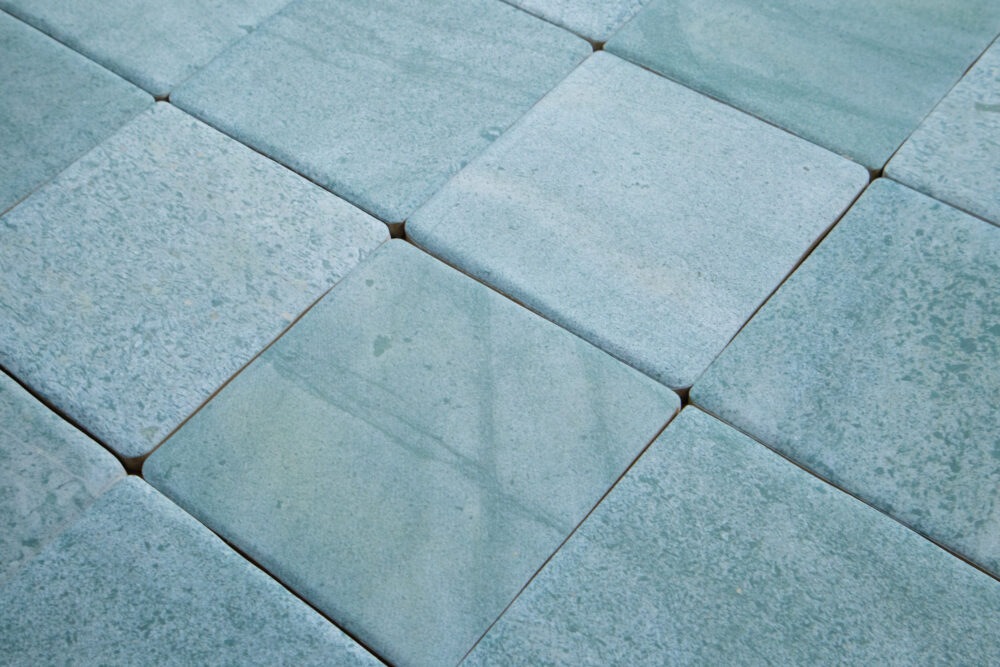
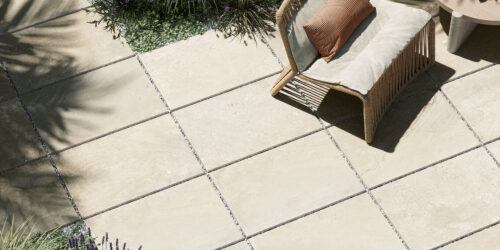
Sukabumi Blue (non-rectified)
Rectified vs Non-Rectified Tiles
Understanding the difference between rectified and non-rectified tiles is key when making your selection.
Rectified tiles:
Precisely cut to uniform dimensions
Allow for tighter grout joints
Create a seamless, streamlined appearance
Non-rectified tiles:
Have a pressed edge
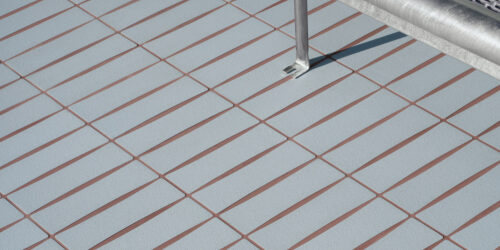
Require wider grout lines
Offer a softer, more traditional or rustic look
If you’re after that crisp, architectural aesthetic, rectified tiles are typically the preferred option.
Pros and Cons of Rectified Tiles
Like any material choice, rectified tiles come with both advantages and considerations.
Pros:
Clean, sharp lines
Minimal grout lines for a seamless look and less cleaning
Ideal for contemporary and modern designs
Creates a high-end, architectural finish
Cons:
Requires a high level of installation precision
Typically costs more to install due to additional preparation to the substrate

When Should You Use Rectified Tiles?
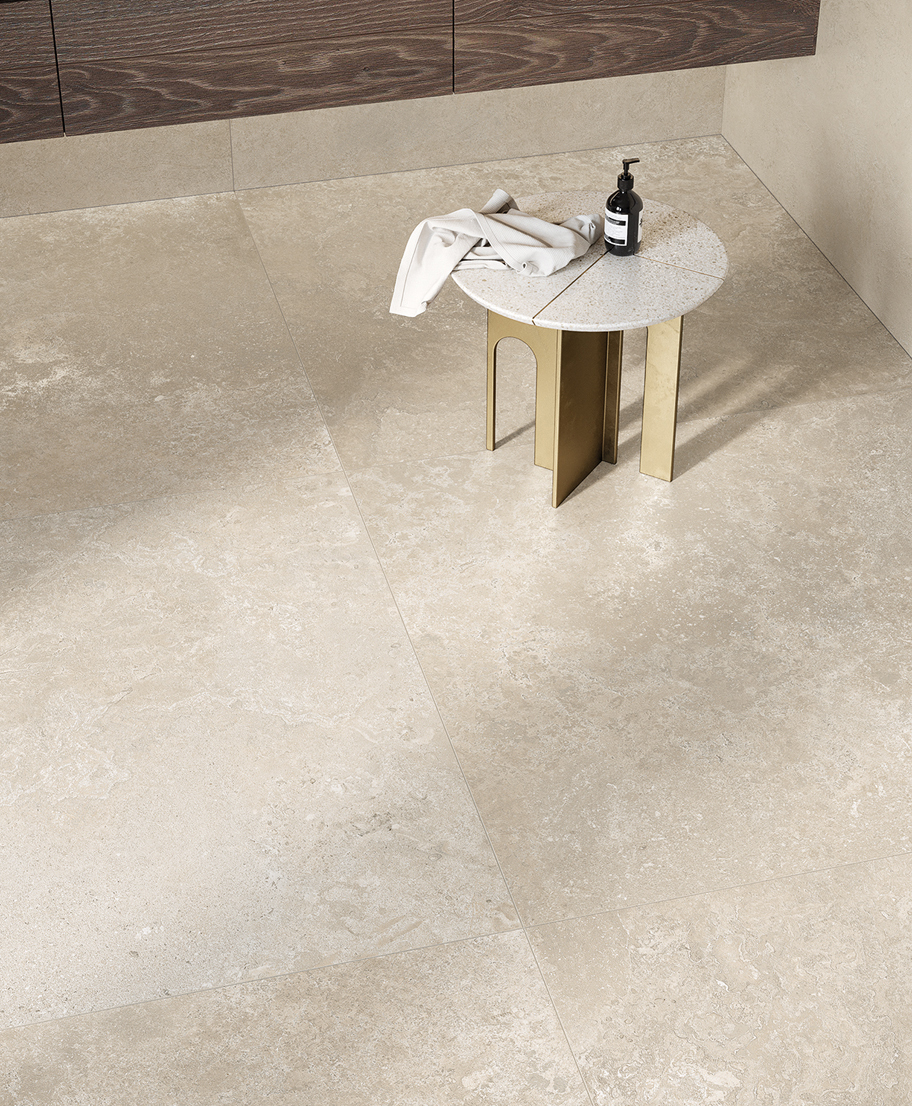
Rectified tiles are best used when the goal is to create a refined, cohesive look with minimal visual interruption from grout lines.
They’re particularly well suited to:
Kitchens - for sleek splashbacks or seamless flooring
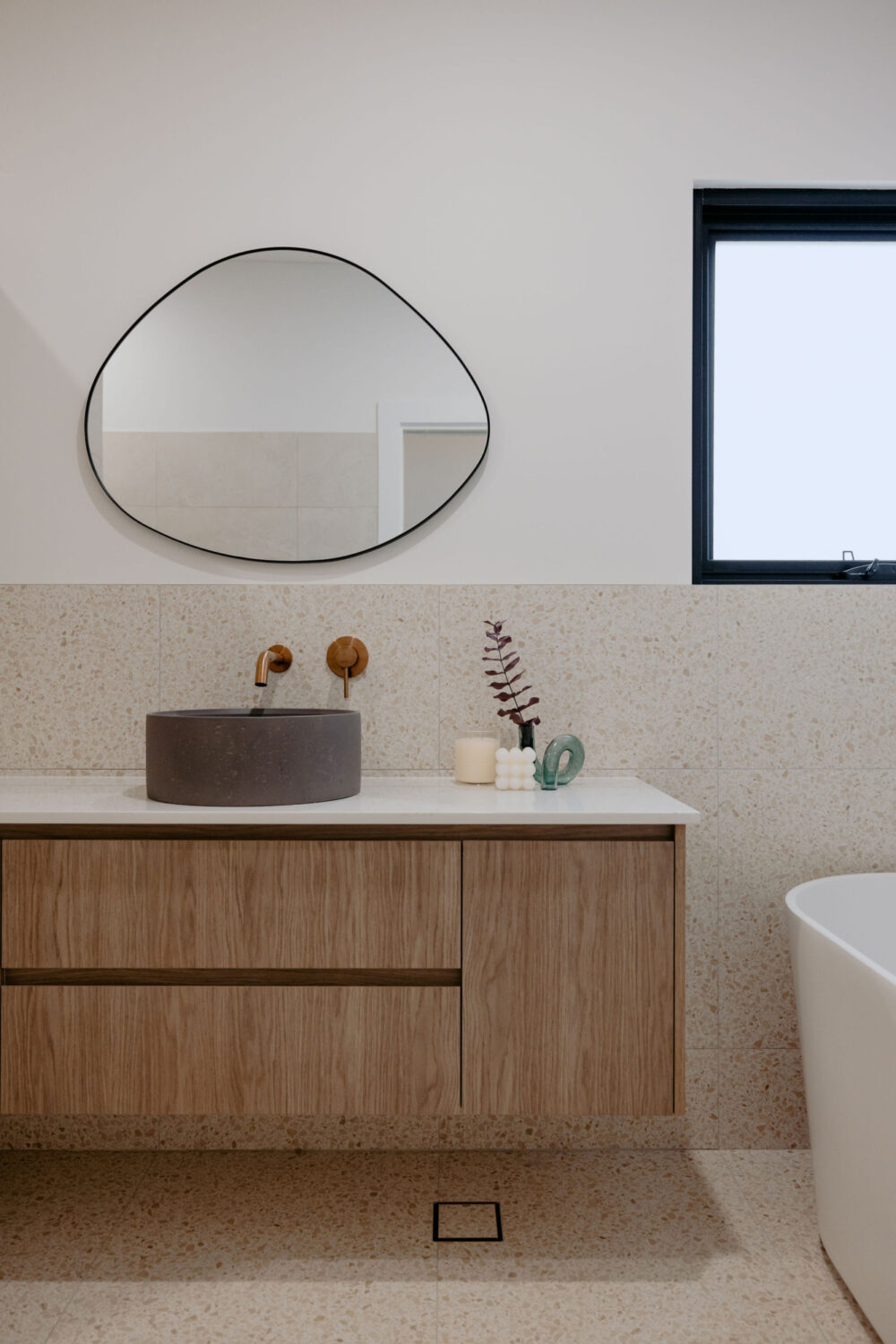
Bathrooms - perfect for achieving spa-like, modern spaces
Open-plan living areas - where continuity and flow are important
Key Considerations Before Choosing Rectified Tiles
Before committing to rectified tiles, it’s important to factor in a few practical elements:
1. Cost
Rectified tiles typically sit at a higher price point to install.
2. Installation Precision
Because grout joints are minimal, any irregularities in laying become more noticeable. A skilled tiler is essential.
3. Subfloor Preparation
A perfectly level substrate is critical. Any unevenness can affect the final finish and alignment.
Final Thoughts
Rectified tiles are an excellent choice for those wanting a clean, contemporary aesthetic with a premium feel. While they require more precision and care, the end result is a beautifully seamless surface that elevates any space.
If you’re unsure whether rectified tiles are right for your project, speaking with our experienced tile consultants can help you balance design goals with practical considerations. Visit our Showroom in Myaree, or contact us on (08) 9330 3611