sUMMARY:
Sustainability considerations include:
- Raw material sourcing
- Manufacturing processes
- Energy consumption
- Water usage
- Packaging materials
- End-of-life disposal and recycling
Examples of Sustainable Manufacturing
The article highlights several brands leading sustainability initiatives:
- Cromie Collection
- Marca Corona
- Italgraniti
- Pamesa Group
Benefits of Choosing Sustainable Tiles
- Reduce a building's overall carbon footprint.
- Support resource conservation.
- Minimise waste production.
- Contribute toward green building certifications such as LEED.
- Encourage industry innovation and more efficient manufacturing methods.
- Support healthier and more sustainable living environments.
From the sourcing of raw materials to production practices, packaging and end-of-life disposal, tiles play a surprisingly important role in the environmental footprint of a building. In an era where environmental responsibility is no longer optional but essential, we explore why sustainability in tiles matters, what makes a tile eco-friendly, and how you can make smarter choices without compromising on style or quality.
Raw Materials
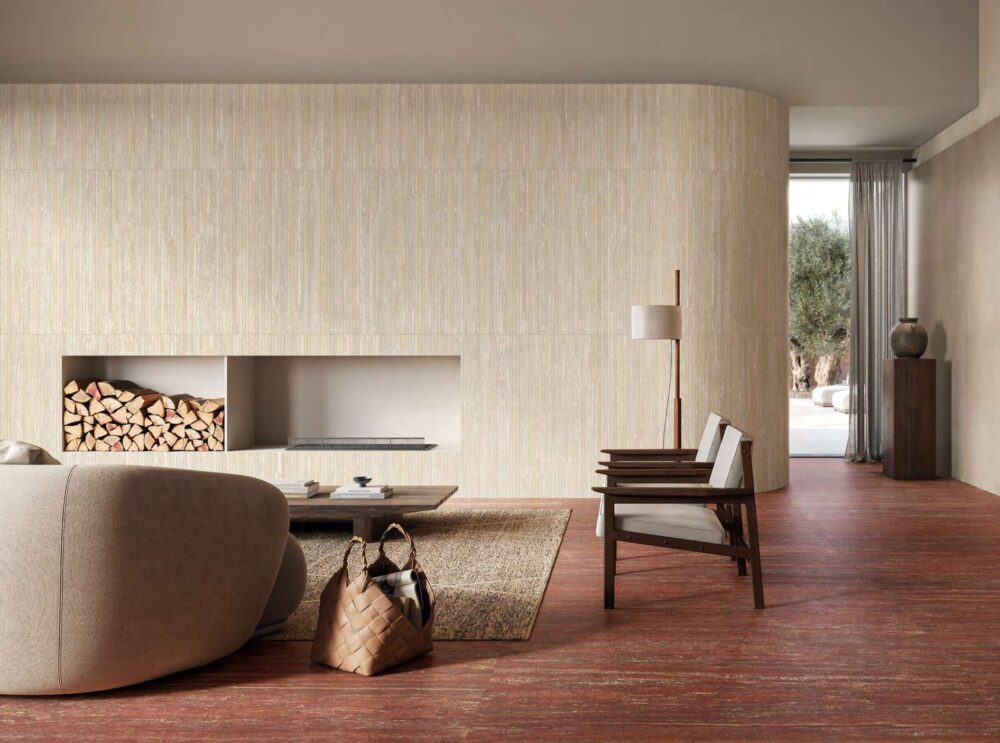
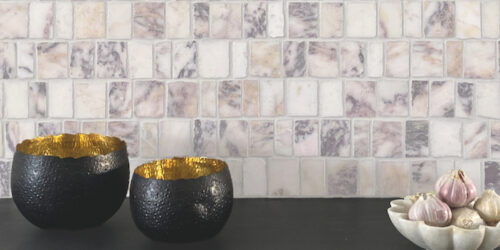
Take our Cromie collection: the production cycle is innovative and sustainable due to the unique drying process of the product. The tiles undergo wet pressing, thereby eliminating emissions of CO2 and pollutants. The exclusive use of recycled materials further demonstrates the Company’s ecological commitment, along with recycling of waste and water generated during processing, and the utilization of packaging made from recycled and recyclable materials. Innovation and environmental consciousness are thus two pillars upheld through ongoing technological research.
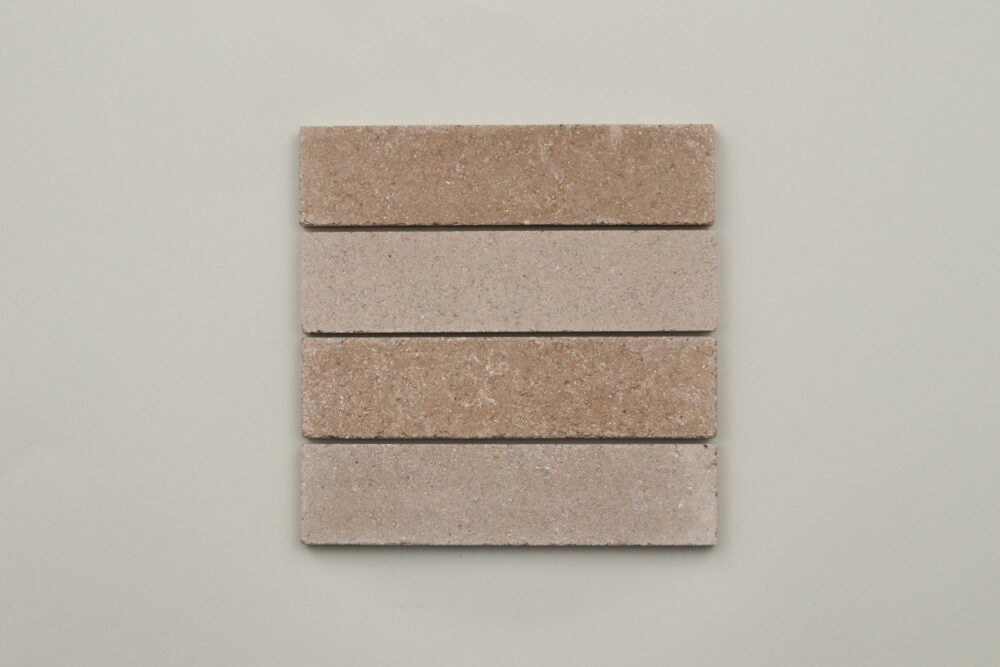
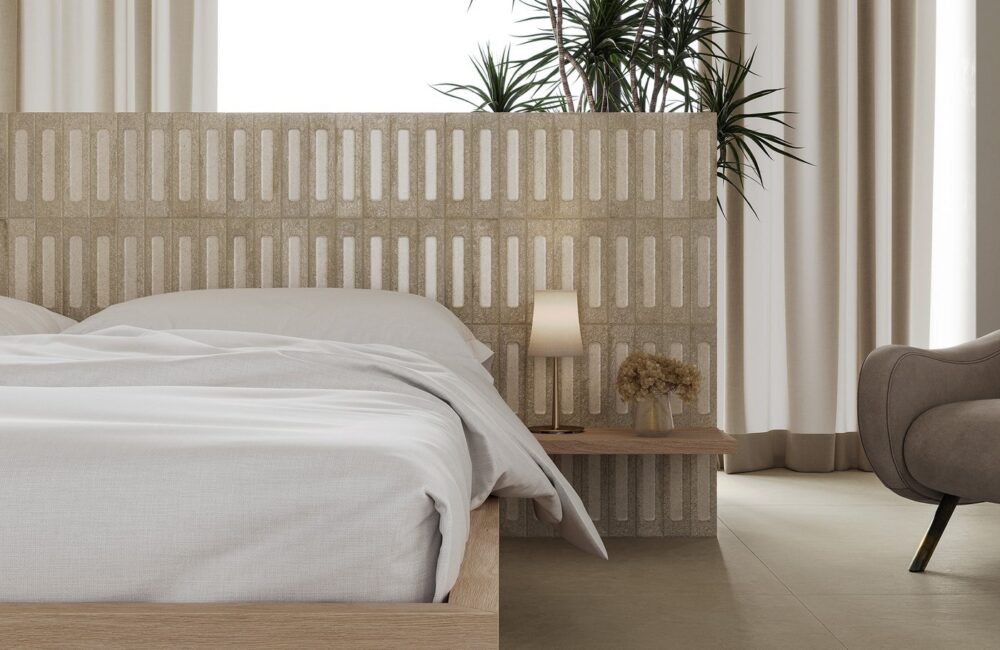
M. Fornace Formella Argilla Nat.by Marca Corona
Resources and Energy consumption
Energy consumption: Kilns used in tile manufacturing consume large amounts of energy. Sustainable practices can reduce fossil fuel dependence through energy-efficient technologies or alternative energy sources. Check out WOW’s commitment to solar energy in their manufacturing premises.
Resource conservation: Tile production uses raw materials like clay, sand, and water. Sustainable practices ensure these materials are sourced responsibly and not depleted. Marca Corona curbs its consumption of energy resources by recovering the thermal energy used from the firing kilns for new production cycles and to heat work areas. They also select raw materials from the quarries nearest the factories, in order to reduce the environmental impact and emissions caused by transport.