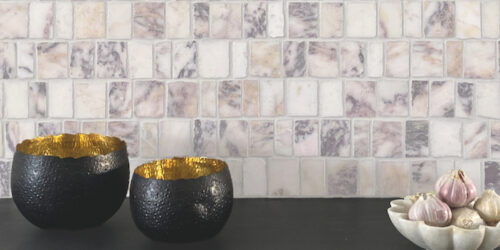
Quick summary:
What Makes Mosaic Tiles Popular?
- Add visual interest, texture, and decorative detail.
- Create striking focal points and feature areas.
- Make compact spaces feel larger and more dynamic.
- Adapt easily to curved surfaces, niches, custom basins, and shower walls where larger tiles may be difficult to install.
Common Applications
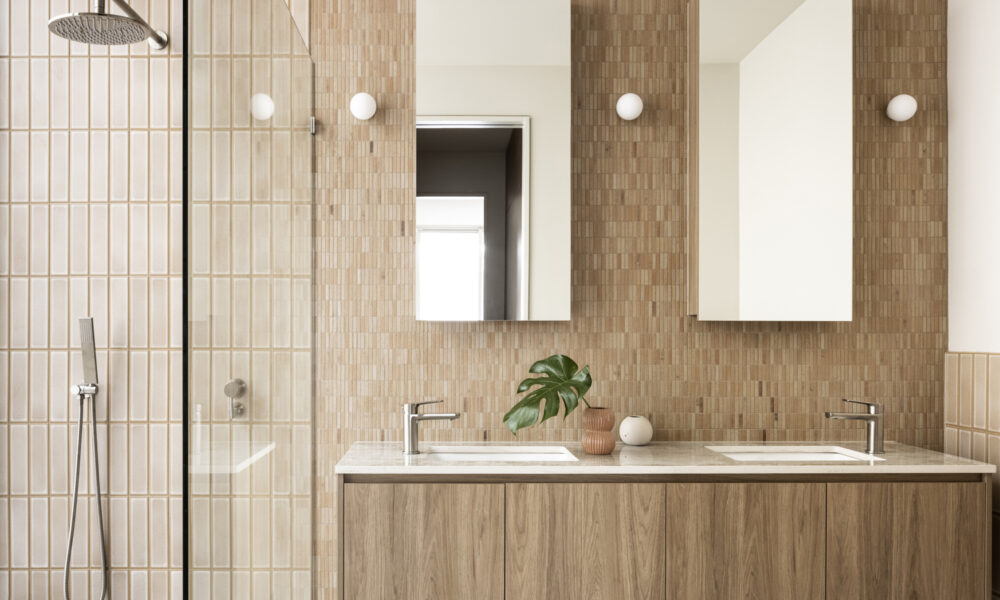
- Bathrooms: Feature walls, shower floors, and shelving niches.
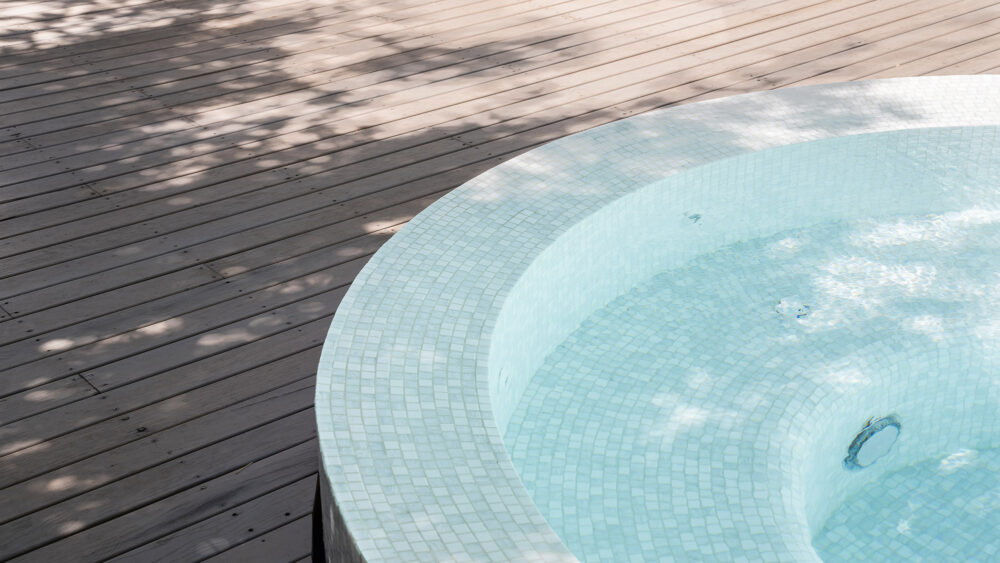
- Outdoor Areas: Swimming pools, alfresco spaces, outdoor showers, and external cladding.
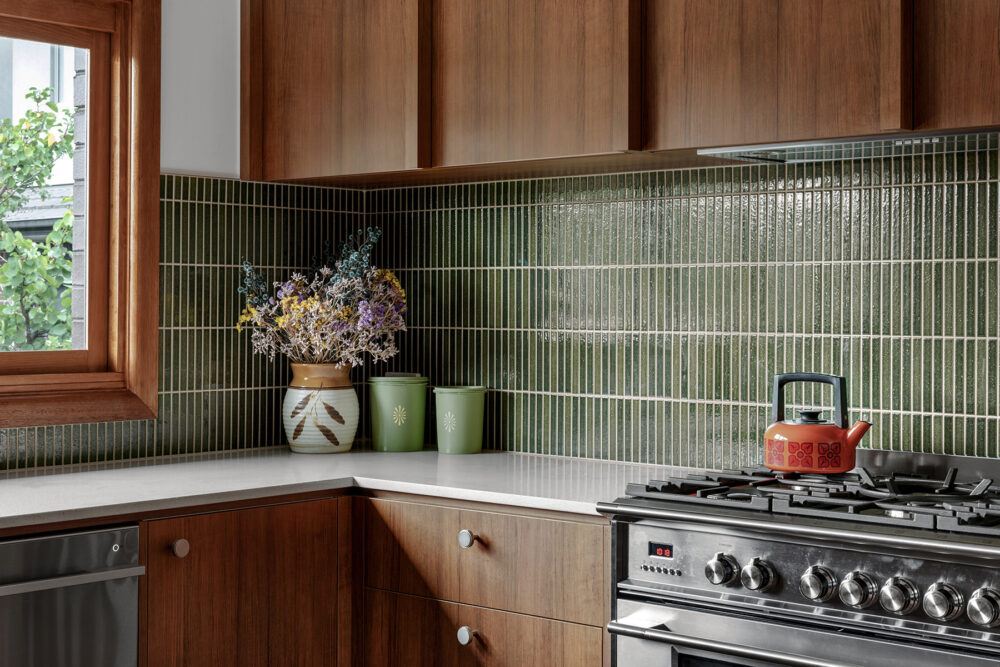
- Splashbacks and Feature Areas: Decorative accents in kitchens and living spaces.
Choosing the Right Material
- Porcelain and glass mosaics are recommended for showers, pools, and splashbacks due to their low water absorption.
- Ceramic mosaics are generally not recommended in wet environments because of their higher porosity.
- Natural stone mosaics should be sealed to protect against moisture and staining.
Maintenance Considerations
- Grout colour selection is important, as lighter grout can show dirt more easily.
- Regular cleaning is essential to maintain appearance.
- Applying a waterproof grout sealer every 2 to 5 years can help prevent staining and moisture penetration.
Mosaic Mounting Systems
- Mesh-Backed Mosaics
- Paper-Faced Mosaics
- Dot-Mounted Mosaics
Installation Challenges
Mosaic installations often cost more than standard tiles due to:
- The need for perfectly prepared substrates.
- Complex cutting requirements around edges and fixtures.
- Careful sheet alignment to avoid visible seams.
- Increased grouting and cleanup time because of the higher number of grout joints.
What are Mosaics?
The term mosaic comes from the ancient decorative design technique of arranging small, distinct fragments of colored materials—such as glass, stone, or ceramic—to form a larger, cohesive image or pattern. Nowadays, a modern mosaic is defined as small tiles arranged in patterns, mounted on backing sheets.
Mosaics can also be referred to as:
Tesserae
Sheet-mounted tiles
Art tiles
Pennyround tiles
Types of Mosaics:
Waterjet
Ceramic
Porcelain
Glass
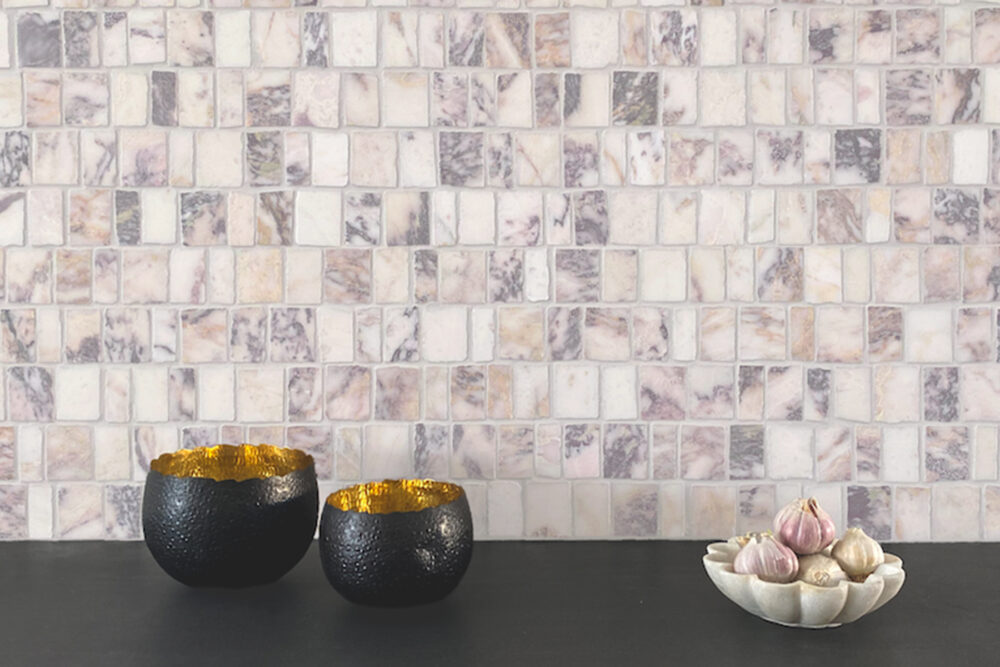
Natural Stone
Key benefits of Mosaics:
Adds creative visual interest, focal point and visual texture
Ideal for compact spaces to enhance the feeling of space
Curve adaptability; their miniature size makes them perfect for wrapping around curved shower walls, recessed niches, or custom basins where larger tiles would not work
Increased traction with more grout lines
Popular Application Areas:
Bathrooms: Feature walls, shower floors, and built-in shelving
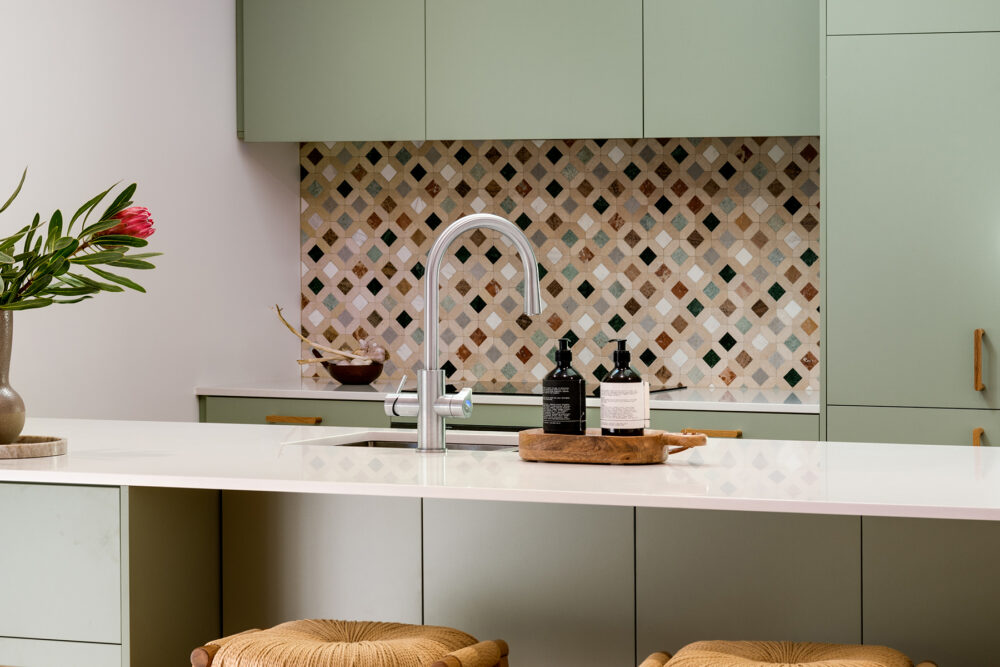
Kitchens: Splashback or frontings for island benches
Outdoors: Swimming pools, outdoor alfrescos, showers and exterior cladding
Other areas: Columns, feature walls and table tops
Design Considerations:
Material choice - if installing in wet areas (splashback, shower, pool) use porcelain or glass mosaics only. Ceramic tiles have a high porosity and are not recommended. Sealing natural stone mosaics is also recommended for wet areas or splashbacks.
Can cost more with installation and the amount of grout needed.
Maintenance - Mosaics will use more grout per sqm so keep in mind the colour you choose to avoid it showing the dirt. Ensure routine cleaning to keep those grout lines looking fresh. You can also opt to seal the grout from moisture and stains by applying a waterproof sealer every 2 to 5 years, depending on exposure.
What is the difference between mesh-backed, paper-faced and dot mounted mosaics?
The primary difference is where the backing is placed and how it affects installation: mesh-backed mosaics use a permanent fiberglass grid on the back of the tile, while paper-faced mosaics use a temporary layer of paper or clear film on the front (face) of the tile, which is soaked and peeled off after installation. Paper faced are recommended for pools as it allows for full adhesion to the back of the tile and substrate. There are also dot mounted mosaics which can be used in all applications as the mosaics are joined in the corners of each tile.
Choosing between them depends on your project's specific demands.
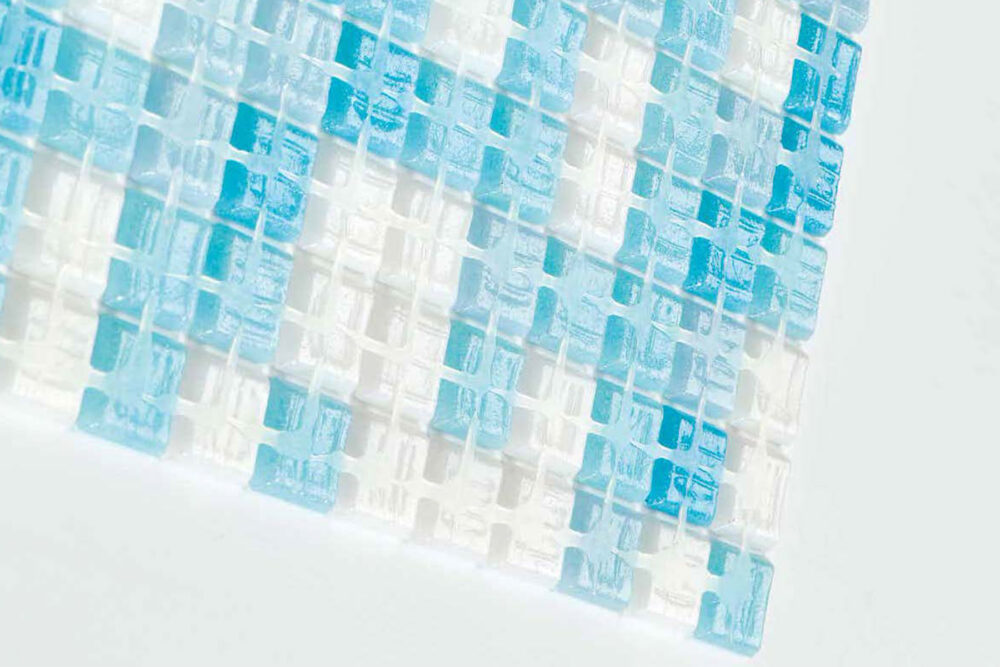
Mesh-Backed Mosaics
Application: Ideal for standard walls, splashbacks, and dry areas.
How it works: The tile is glued to the mesh at the factory. You press the mesh side directly into your thin-set mortar.
Pros: Easier and faster for beginners. The mesh is flexible, making it easy to cut and wrap around corners or slight curves.
Cons: The mesh and the glue used to attach it stay behind the tile. In moisture-heavy environments (like pools or showers), this added material can degrade or trap water, leading to a weaker bond and potential mold.
Paper-Faced Mosaics
Application: Best for demanding, wet, or submerged environments like swimming pools, spas, and outdoor areas.
How it works: The tiles are held together by a water-soluble glue on the front face. You install the mosaic by pressing the bare back of the tile into the mortar. Once the mortar sets, you dampen the paper and peel it off, leaving a perfectly flat, exposed surface ready for grouting.
Pros: Offers 100% adhesion to the wall since there is no mesh barrier. Ensures tiles remain perfectly level and prevents grid lines from telegraphing through transparent glass.
Cons: Requires a two-step installation process (apply, let dry, soak/peel paper, then grout). It is slightly more tedious because you cannot easily see the final tile layout until the paper is removed
Do Mosaics Cost More to Install?
Yes, mosaics can be more expensive for a tiler to install compared to standard-sized tiles. Tilers generally charge more for the following reasons:
Substrate Preparation: Mosaic sheets conform to every lump and bump in a wall. Tilers must spend extra time creating a perfectly flat, flawless surface before laying the first sheet.
Complex Cutting: Cutting around outlets, corners, and edges requires making many tiny, intricate cuts. This often requires specialized tools like glass nippers or continuous-rim diamond wet saw blades.
Layout and Alignment: Keeping the grid lines straight between sheets is difficult. Tilers must manually adjust individual pieces to prevent visible seams between the square sheets.
More Grout and Cleanup: Mosaics have vastly more grout joints per square metre. Packing the grout into all those tiny spaces and cleaning the haze off the delicate tile faces requires intensive manual labor
What current trends are we seeing in mosaics?
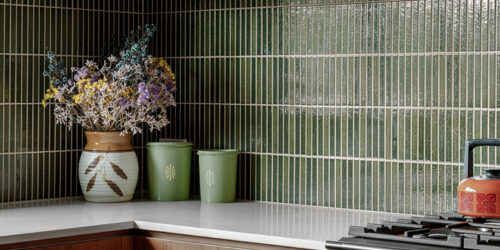
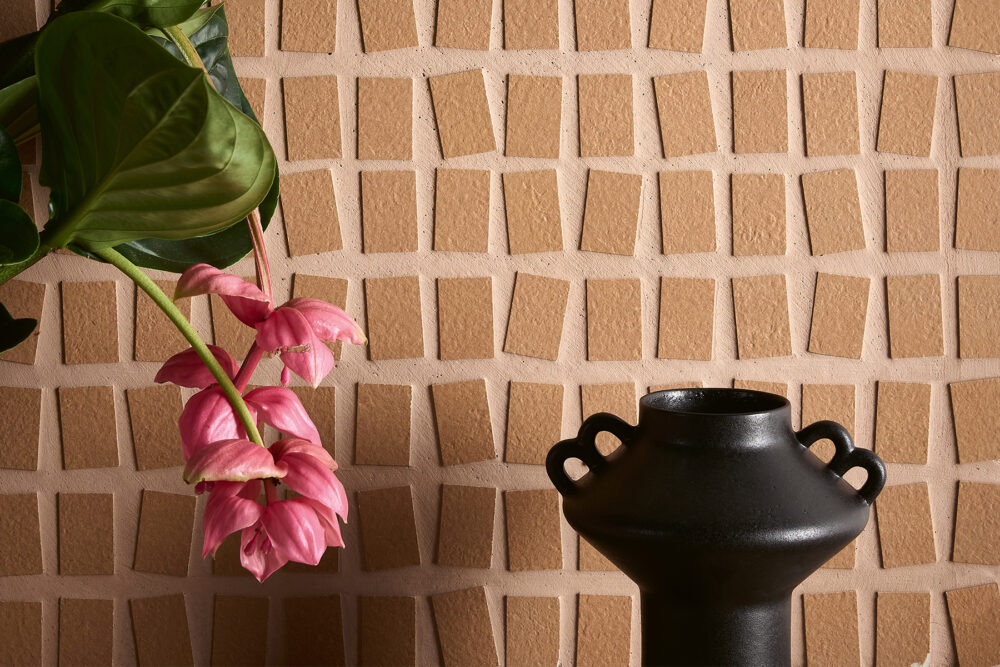
Japanese Mosaics - Whilst the sizes and shapes are similar to other mosaics, the tactile, hand fired ceramic look of Japanese Mosaics makes them a sought after aesthetic. Take a look at the Z Tile Range.
Vulcano Mosaics (natural stone) - With global trends leaning towards more warmth, organic shapes and earthy interiors, Vulcano’s natural stone range is always the answer.
Bisazza Mosaics - Perth’s Mediterranean climate means pools are always front of mind. Bisazza’s stunning range of glass mosaic pool tiles are the perfect choice to elevate
All of these (and more!) are available to order from our Myaree Ceramics showroom.
Thinking About Mosaic Tiles?
At Myaree Ceramics, we offer a wide range of mosaic tiles in porcelain, glass, natural stone and Japanese mosaic styles.
Our qualified team can help you select the right tile, size and finish for your space and connect you with trusted installation advice.
Schedule an appointment in our showroom, give us a call or email through your mosaic tile enquiries!
Author: Myaree Ceramics
Published Date: 28 July 2026